Olive skin: what it is, how to tell and which colors work
Olive skin has a muted, slightly green or grey cast that can show up at almost any depth, from fair to deep. Sources disagree on whether it's a tone or an undertone and whether it runs warm or cool, so we show both sides.
What is olive skin?
The word has been around a long time. The Oxford English Dictionary traces it for skin to at least the 17th century, when the traveler Thomas Coryat, describing the emperor Jahangir, called his complexion “neither white nor blacke” and reached for olive as the best word he could find. Four hundred years later, people still reach for it when ordinary categories don’t quite fit.
Today you’ll find two definitions in circulation, and they don’t agree:
- Olive as a depth. Wikipedia describes “lighter brown tones with greenish, yellowish, or golden undertones”, roughly Fitzpatrick types III to V. On this view, olive skin is medium.
- Olive as a cast. Makeup artists describe something that can appear at any depth. Bethany Brenneman tells IPSY it’s “a slight olive-green cast to the surface color” that can range “from fair to deep”. Brooke Ann, in the same piece, calls it an overtone, “the surface color we notice first”.
We follow the second, because it explains more. It accounts for pale olive skin and for deep olive skin, both of which are real and both of which the depth definition leaves out. Nobody looks green, though. The cast is subtle enough that plenty of people reach adulthood thinking they simply can’t find a foundation.
You’ll also read lists of ancestries that “have” olive skin. We won’t print one. Ancestry doesn’t tell you what a particular person’s skin does. Even Wikipedia’s distribution covers a good part of the globe, and Google’s guidance on skin tone warns against treating tone and race as one thing. Look at your skin, not your family tree.
An olive skin tone chart
Here’s the difference in numbers. Every pair below uses one of the ten depths from the published Monk scale, so lightness is identical and only the lean changes. Move the dial and watch how little it takes. At tone 6 depth, our strong olive turns further toward yellow-green than our non-olive version and carries less color. So olive moves toward yellow-green and gets greyer at once, and that double shift is the whole effect.
Two things stand out. First, olive is most visible in the middle, roughly tones 5 to 8, where skin holds the most color. Second, at the far ends the swatches almost meet, which is why olive is so easy to miss on very fair or very deep skin, and why a single chart can’t diagnose you. Copy these if you’re drawing or designing, and see the full skin color palette for the other undertones.
How do I know if I have olive skin?
No single sign settles it. These are the ones experts offer, and each is a hint. Two or three together start to mean something:
- Foundation never quite matches. The signature complaint. “You might notice that makeup foundations often look too pink or too yellow, and neutral foundations, while a better match, don’t match perfectly,” says Brenneman.
- Very warm colors make you look a little unwell. Brenneman again, on yellows, reds and oranges making olive skin look “sickly”. Warm earthy browns may look dull as well, says Ann.
- Warm reds turn harsh on your lips. Ann’s example: coral and chili reds that “look too orange, harsh, or light”.
- You look greyish without makeup, in flat light. Amber Chasteen describes a “slightly muted, a gray earthy appearance”.
- You tan easily. Wikipedia says olive skin tans more easily than light skin, and can pale when sun is limited while keeping its cast. A hint at best, since plenty of non-olive skin tans too.
You’ll also hear that green veins mean olive. Be careful with that one: the same green veins get read as warm by other sources. The full argument, and a test built around fabric instead, is on the olive undertone page. Our undertone test can return olive as a result, and the skin tone test places your depth.
Is olive skin warm or cool?
This is where sources openly contradict each other:
- Brenneman: “90% [of people with olive skin] tend to have a cool undertone.” That’s one artist’s estimate, and the article gives no data for it.
- Dior sells a family called Warm Olive and files it on the warm side of its range.
- Wikipedia’s wording, greenish, yellowish or golden, sounds warm.
- Mi Colorometría, a color analysis site, says it can be cool, warm or neutral, with the olive sitting on top like a veil.
We don’t think anyone has measured this properly, so we won’t declare a winner. Practically, the veil view is the most useful, because it tells you what to do: treat olive as a separate quality, then work out warm or cool underneath it by testing colors against your face. That’s the job of the olive undertone page. This one stays with what you can do about it.
Which colors look good on olive skin?
Muted, slightly complex colors are usually the safe start, because they share something with your skin. Clear, loud, very warm colors are the ones most often accused of making olive skin look sallow. Beyond that, it depends on what’s underneath.
- Cool-leaning olive: Ann suggests “gray, taupe, mauve, berry, and silver” and jewel tones. In our palettes: mauve, rosewood, jewel teal, cranberry.
- Warm-leaning olive: greens and soft earth tones can look right where brighter warm colors fail: sage, soft olive, muted teal, teal.
- Either way: depth matters too. On fair olive skin, try mid-tones to avoid fading out. On deep olive skin, strong jewel tones and clean light colors both have room.
There are disagreements here too, since Ann warns against “browns, coral, earthy shades, and gold” for cool-leaning olive skin, and many analysts recommend earth tones for warm-leaning. That’s why testing beats reading. We go into detail on the best colors for olive skin. Hair has its own page.
Why is it so hard to find foundation for olive skin?
Because most ranges are built on a line that runs from pink to yellow, and olive sits off that line. Look at the chart above: at tone 6 depth, the warm neighbor is #A47C59 and olive is #968165. Olive isn’t just further along toward yellow. It also has less color. So a yellow foundation fixes the hue and still looks too vivid against your face, while a pink one looks like a mask, and a neutral one is merely closer.
What helps in practice:
- Look for a range with a dedicated olive family, such as Dior’s WO shades, and read the brand’s own key to its codes.
- Failing that, start with neutral-to-yellow shades and test on your jaw in daylight, not on your hand.
- Don’t judge straight away. Let a stripe sit for a while, then look at it near a window.
- Compare along your jawline and neck. If it disappears on the jaw but your neck looks different, match the neck.
The foundation shade finder reports a depth family and an undertone code, including O, to shop with. It doesn’t pick a product, because a camera reading can’t honestly promise a match.
Related guides and tools
Sources
The Full Color Report: $19one time
You in your best and worst colors, about 40 colors with hex codes, makeup, hair and a capsule wardrobe plan.
See a sample reportCommon questions
- What does olive skin look like?
- Skin with a muted, slightly green or grey cast, more visible in flat daylight than in warm evening light. It occurs from fair to deep. Next to a pink or a bright yellow, it often looks a little greyer than people expect.
- Is olive skin rare?
- We didn't find a reliable figure, and any estimate would depend on how the word is defined. If you count every light brown skin with a yellow or golden lean, it's common. If you count only skin with a visible green cast, it's less so.
- Is olive skin the same as tan skin?
- No. Tan describes depth, how brown skin is, and olive describes a lean. Tan skin may or may not be olive. Fair skin can be olive and not tan at all.
- Why does my skin look green or sallow?
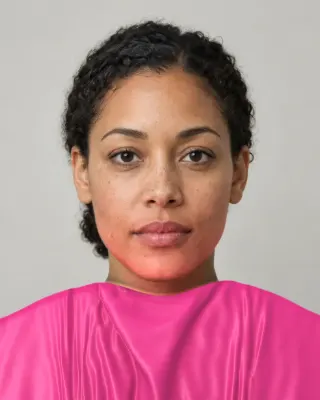
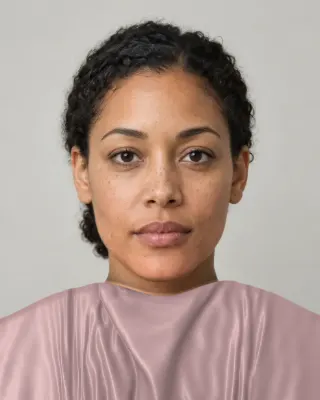
- Often because of what's next to it. An olive cast reads greener beside pink clothes or a pink foundation, and more yellow under some indoor bulbs. If a change in your skin's color is sudden or you feel unwell, talk to a doctor, since that's a different question from undertone.
- Do I need a special foundation for olive skin?
- Not always, though many people with olive skin do better with a range that has olive-labeled shades. Otherwise a neutral or slightly yellow shade with a lower saturation is usually closer than a pink or strongly golden one.
- What jewelry looks best on olive skin?
- Sources split. Ann points cool-leaning olive skin to silver. Mi Colorometría suggests matte or antiqued metals over polished ones, since gold can stress the yellow and silver can stress the grey. Hold both to your face in daylight and decide.

See which colors are yours.
See your colors on your own face, compare seasons side by side, and get your season, your undertone and a starter palette.