Caramel skin tone vs honey, tan and light brown
Caramel, honey, tan and light brown all point at the middle of the skin tone range and overlap heavily. No standard defines any of them, so here are our reference swatches on a published scale, with the reasoning shown.
What does a caramel skin tone mean?
Usually a medium-deep brown with an obvious golden warmth. That’s the common use, not a definition. The closest thing to one comes from name lists like Skincare Geeks, which says caramel has “golden undertones” and ranges “from light brown to deep brown”. That’s a big range for one sweet word.
Our reference for it is #9E704B, medium-deep, between Monk tones 6 and 7 in lightness. Treat that hex as a label on a neighborhood. Plenty of people who call themselves caramel will sit well to either side, and no measurement says they’re wrong. These four swatches are editorial choices of ours, not published values.
Caramel vs honey vs tan vs light brown
The words differ mostly in how they lean and what else they mean. Reference hexes are ours.
| Word | Usually means | Our reference | Watch out for |
|---|---|---|---|
| Honey | Lighter, with yellow-gold | #C59C6A | Also describes well-hydrated skin, and one list stretches it from fair to deep brown |
| Tan | Light to medium brown, any lean | #B48B68 | Your usual color, or what the sun just did. Skincare Geeks accepts “all shades of brown” |
| Light brown | Medium brown, plainly described | #A57B62 | The only one of the four with medical use: DermNet’s description of type IV is “light brown skin” |
| Caramel | Medium-deep with strong warmth | #9E704B | Assumes a warm undertone, which you may not have |
So is honey lighter than caramel? In common use, yes. Is tan the same as light brown? Close enough that swapping them rarely misleads. Beyond that, a chart that gives each word one exact hex is claiming a precision the words have never had. See the wider set on the skin tones guide.
Why the middle of the chart is the blurriest part
The published scale itself helps explain the confusion. Between Monk tones 5 and 6 sits the widest lightness step on the whole scale, many times the step between tones 1 and 3. So a lot of real skin lands between named reference points here, and everyday words rush in to fill the space. All four of ours fall inside or right beside that gap.
It’s also where skin holds most color. The published Monk swatches carry the most color at tone 6. Our cool and warm versions sit nearly three times as far apart at that depth as they do at tone 2 or tone 9. The practical upside: if you’re medium to medium-deep, undertone is easier to see on you than on nearly anyone. Use that.
A word on food names for skin
Caramel, honey, mocha, espresso and cinnamon are search terms. They aren’t categories, and we don’t treat them as such. Some readers don’t mind them, some use them happily for themselves, and some find them grating. Writer Craig Laurance Gidney calls the habit “kind of lazy” and, looking at erotic fiction in particular, argues that “food as skin-tone serves as a euphemism for othering”, turning people of color into something to consume. That’s one writer’s view, and worth hearing before you use the word about somebody else.
You came here using caramel, and this page answers that without fuss. If you’re writing about other people, depth and lean are more respectful and usually clearer: “medium-deep, warm” tells a reader more than a dessert does. And be careful with lists that map tones like this onto ethnic groups, as some do. Google’s rule for its own scale applies just as well here: don’t equate skin tone with race.
Undertones at this depth aren’t always warm
All four words suggest warmth, and it’s the first assumption people make about medium-brown skin. It isn’t a safe one. As Clarins’ training manager says, people have long been “guilty of assuming that warm means darker”. Here are four versions at the depth of tone 6 from our ramps: cool #AB7867, neutral #A77A62, warm #A47C59, olive #968165.
If a golden foundation looks orange on you and rosier ones look right, you may be a cool medium-brown, whatever you’ve been calling yourself. If both pink and gold look off and everything reads a bit grey, read about olive undertones. The undertone test is built for exactly this question.
What colors suit a caramel skin tone?
Lightness first, as elsewhere, but at this depth the rule flips from what fair skin needs. Cloth at your own lightness blends into you, which can be a chic tonal look in camel or tan, or just a flat one. Moving away in either direction creates an edge, and medium-brown skin has room to go both ways.
Lightness of the cloth, from light to dark
- Soft Cream 91
- Icy Pink 89
- Golden Yellow 81
- Soft Camel 66
- Warm Coral 66
- Teal 44
- Rust 44
- Emerald 39
- Deep Olive 34
- Plum Wine 33
- Bitter Chocolate 21
- Navy 17
- Lighter than you: soft cream and icy pink look fresh, because you’re the deeper value at the collar.
- Deeper than you: emerald, navy and plum wine stay clearly apart from your skin.
- If you lean warm: rust, teal and mustard tend to sit well.
- If you lean cool: berry, cornflower and deep rose are worth testing first.
For a test on your own face, use what colors look good on me. For hair, we cover shades on hair color for brown skin.
Which foundation shade for a caramel skin tone?
Skip the word altogether, since a brand’s “Caramel” can sit anywhere in its range. Shop by that brand’s depth number and undertone letter, then test three shades along your jaw in daylight and see which disappears. Sun moves skin too, so a winter and a summer shade is normal, and blending the two is fine. Start from a family with the foundation shade finder, which won’t name a product, since a camera can’t honestly do that.
And if you want to stop arguing with labels altogether, the skin tone test returns your tone in plain words, matched against the Monk scale, with no dessert involved.
Related guides and tools
Sources
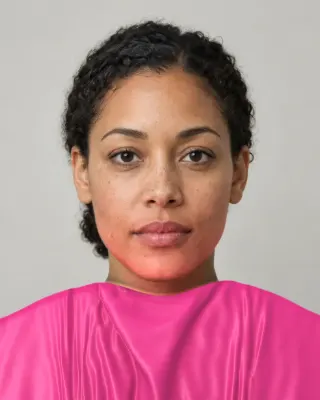
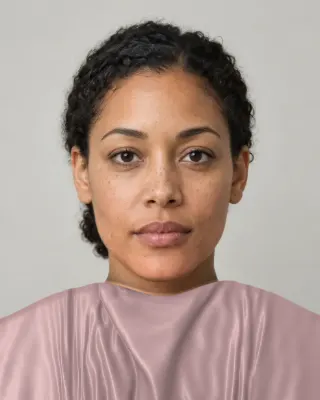
The Full Color Report: $19one time
You in your best and worst colors, about 40 colors with hex codes, makeup, hair and a capsule wardrobe plan.
See a sample reportCommon questions
- What's the difference between caramel and honey skin?
- In common use honey is lighter and more yellow, and caramel is deeper and more saturated. No standard sets this, and sources stretch both words widely. Our reference swatches for them are starting points to compare against.
- Is caramel skin tone considered light or dark?
- Medium to medium-deep. On the Monk scale our reference sits between tones 6 and 7 out of 10, which is about the middle of the range and a little past it.
- Is caramel skin always warm toned?
- No. The word implies warmth, but people at that depth can lean cool, neutral or olive. Compare a warm and a cool fabric under your chin in daylight, or take the undertone test.
- What is the hex code for caramel skin?
- Our reference is #9E704B, a medium-deep brown chosen by us. There is no official code. Published reference points near it are Monk tone 6, #A07E56, and Monk tone 7, #825C43.
- Is it OK to call someone's skin caramel?
- Some people like it and some don't, and food comparisons have drawn real criticism, particularly when they're used for people of color by default. If it's about someone else, ask, or use plain words such as medium brown or medium-deep.
- What's a good lip color for medium brown skin?
- Undertone decides more than the name does. Warm brown-reds and terracotta tend to suit a warm lean, berry and rose a cool one. Try one of each against your bare lips in daylight and keep the one that makes your whole face look clearer.

See which colors are yours.
See your colors on your own face, compare seasons side by side, and get your season, your undertone and a starter palette.