How to find your undertone: 6 tests ranked by reliability
To find your undertone, test in daylight, start with the method that tells you most, and stop treating every test as equal. Here's our ranked ladder of six methods, why they clash, and what to do when they do.
The short method
- Set up the light. Go to a window with indirect daylight, face it, and remove makeup. Pull your hair back, and move away from colored walls.
- Run color pairs. Hold a warm and then a cool color under your chin, starting with same-strength pairs. Look at your skin, under the eyes and around the mouth, and note which looks clearer.
- Repeat and count. Do at least three pairs. A real lean shows up the same way each time, even if it's slight.
- Get a second opinion. Add a camera reading against white paper, or compare white and cream. These work on different principles from your eye, so agreement counts for something.
- Break ties with metal. If you're still unsure, compare gold and silver in the same light. Treat it as a tiebreak and nothing more.
- Check it against real products. Try a foundation or lipstick in the undertone you landed on. If it looks right on your neck in daylight, you have what you need.
Good pairs to start with, one warm and one cool, close in depth and strength: salmon and dusty rose, pumpkin and cool pink, olive and cool jade. No cloth in those colors? Anything you own that clearly leans each way will do, as long as it’s plain and about equally strong.
Six tests, ranked by what they can tell you
Most guides list these as equals, and some rank the vein test first. We don’t. Here they are in the order we’d trust them. This ranking is our own judgment, not a study. We didn’t find any research comparing these tests head to head, and no accuracy figure exists for any of them, so we won’t give one. We’ve explained each placement so that you can disagree.
- 1
1 Color pairs by a window
How your skin actually looks beside warm and cool color of the same strength, which is the question you care about.
It rests on your eye, and two honest people can disagree. Tiredness, redness or a colored wall can tip it.
- 2
2 Camera reading against white paper
Measures your skin's hue against a known white, so the light is partly accounted for. Ours is one of these.
One picture in one light. A study of face images found estimates for the same person varied significantly, and white balance only gets so far.
- 3
3 White against cream
A cheap version of color pairs. Which one flatters tells you something about temperature.
The two differ in lightness too, so contrast can win the round instead of temperature. It's hard to judge on deep skin.
- 4
4 Gold against silver
A small, shiny version of the same comparison.
Taste, finish and hair color all creep in. Brilliant Earth, which sells both, calls these tests clues, and olive skin often likes neither.
- 5
5 Vein color
What your veins look like through your skin.
Vein color comes from skin optics, oxygenation, vessel size and depth, and perception. Nothing we found links it to undertone, and veins can be hard to see on deep skin.
- 6
6 How you tan or burn
How your skin responds to UV, which depends mainly on melanin.
That's depth, not lean, and it doesn't work on deep skin at all. Please don't burn yourself to find out.
Our undertone test weighs its evidence along the same lines: color pairs count most, a jewelry answer counts for less, and veins count for least of all. Skin readings count according to how much color is there to read.
Why undertone tests disagree
Conflicting results usually don’t mean you did something wrong, or that you’re neutral. They mean the tests look at different things. Some pairs should agree and some have no reason to:
| Tests | Expect them to agree? | Why |
|---|---|---|
| Color pairs and white against cream | Usually | The same idea, color next to your face. A split usually means cream won on softness, not warmth |
| Color pairs and a camera reading | Often | Two different routes to one answer, so agreement means something. A split often means bad light or a flushed face |
| Color pairs and metal | Often | Both look at your face, but metal adds habit and taste |
| Veins and anything | No special reason | Different mechanism. Any match may be chance |
| Sun response and anything | No special reason | It follows melanin, so it’s closer to depth |
| The same test, on two days | Should, in similar light | If it doesn’t, blame the light or the state of your skin first |
Add to this the fact that the tests get scored differently by different people. One beauty article says green veins mean olive, and another says green means warm. If you’d like the details, the olive undertone page sets those side by side.
What if my undertone results conflict?
Enter what each test told you. The tally weighs answers by the ladder, using the same fabric, metal and vein weights as our undertone test. It adds up your own answers and measures nothing, and it starts with a common case: veins say warm, metal says cool.
- Fabric pairs by a window
- Camera reading against white paper
- White against cream
- Gold against silver
- Vein color
- How you tan or burn
Leaning cool
Run fabric pairs next: it weighs enough to change this.
A tie deserves particular care. “A tied result doesn’t necessarily indicate neutral undertones,” as Brilliant Earth’s guide says. Two weak tests canceling each other tells you almost nothing. We go through how to tell a real neutral from a tie on the neutral undertone page.
What light should I test in?
Light is the one thing you must get right, because it can move your skin further than the lean you’re trying to detect. We simulate this for a warm bulb on warm undertones and for skylight on cool undertones. Three rules cover most of it:
- Indirect daylight, facing a window. Overcast is ideal. Direct sun adds glare and hard shadow, deep shade can run blue, and evening light runs gold.
- Watch what’s around you. A green wall or a red top throws color onto your face. Stand with something plain nearby and wear white or grey.
- For cameras, give it a white reference. Cameras work by trying to make white look white. Give them a sheet of paper and they have something real to go on. Turn off beauty filters too, and any warm screen mode.
Where on your body should you look?
Most advice points at your inner wrist. There’s a problem with that. Xiao and colleagues measured skin at four body sites and found redness highest on the forehead and lowest on the inner arm. Your wrist and your face aren’t the same color, and it’s your face that you’re dressing and making up.
So use both. The neck and jaw are good places for makeup and clothes decisions, and they’re less prone to flushing than the cheeks. Skincare.com suggests behind the ear, which is sensible since it sees less sun and fewer breakouts. If your cheeks tell you pink but your neck tells you gold, believe your neck.
If you have deep skin
Many undertone tests were written with light skin in mind, and it shows. Veins can be hard to see. Sun response tells you little. White paper makes a very large lightness contrast, which can swamp the small temperature signal. Clarins’ training manager offers a better description for very deep skin: look for golden or honey notes for warm, and “a red, almost terracotta tone” for cool. Go directly to color pairs in daylight, choosing deeper, richer pairs. Some good ones are on the cool undertones page.
How sure can you be?
Honestly, not very, and you don’t need to be. There’s no lab standard for undertone, since it’s a convention from cosmetics. Nobody can validate your result against a true answer. A good outcome looks like this: you tried two or three independent methods in decent light, they mostly agreed, and the colors and makeup you picked as a result look better to you than what you had before. If so, you’re done. If a result leaves you worse off, drop it.
Start with the undertone test or real fabric. Then take your answer to the foundation shade finder or what colors look good on me. For background, see what undertone means.
Related guides and tools
Sources
- Why do veins appear blue? A new look at an old question. Kienle A et al.
- Silver or gold jewelry test
- Color balance
- Reliability and validity of image-based and self-reported skin phenotype metrics. Howard JJ et al.
- Characterising the variations in ethnic skin colours: a new calibrated data base for human skin. Xiao K et al.
- How to find your skin tone and undertone
- What is my skin tone? The expert's guide
- Fitzpatrick skin phototype
- Piel oliva colorimetría: ¿fría, cálida o neutra?
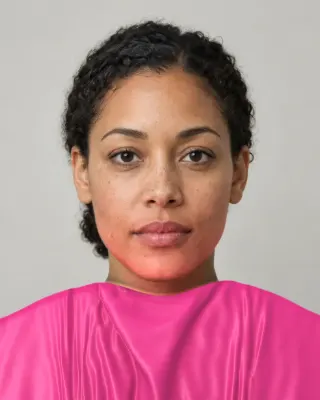
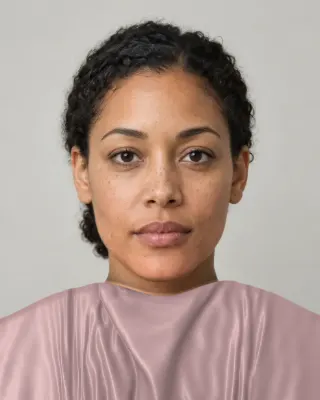
The Full Color Report: $19one time
You in your best and worst colors, about 40 colors with hex codes, makeup, hair and a capsule wardrobe plan.
See a sample reportCommon questions
- What is the most accurate undertone test?
- No test has a measured accuracy, because there's no true answer to check against. In our judgment, comparing warm and cool fabric of equal strength beside your face in daylight tells you most, since it tests what you actually care about.
- Does the vein test really work?
- Not as a reliable test. Vein color depends on skin optics, blood oxygenation, vessel depth and perception. We couldn't find evidence linking it to undertone, and sources disagree on what green veins even mean. Use it for fun, last.
- Can I find my undertone from a selfie?
- Roughly, with care. Use daylight, no filters, and something white in the frame. Even then, research shows readings for one person vary between pictures, so treat it as one piece of evidence and compare colors against your face as well.
- Why do I get different results every time?
- Light is the most likely culprit, followed by your skin's state that day, such as redness or a tan. Repeat in the same indirect daylight, at about the same time. If results still swing evenly, your lean may simply be slight.
- Should I test my undertone with makeup on?
- No. Foundation, tinted sunscreen and color correctors all shift what you're looking at. Test bare skin, and if you've just washed or exercised, give any flush time to settle first.
- How do I know if I'm neutral or just unsure?
- A real neutral shows plenty of evidence on both sides and still balances. Being unsure means you've had little evidence. Add a stronger test such as color pairs, and repeat it, before settling on neutral.

See which colors are yours.
See your colors on your own face, compare seasons side by side, and get your season, your undertone and a starter palette.